
What BC Hydro Isn't Telling Residents About the Cost of Overhead Transmission Lines
Most residents understand and support the need for a secondary power source for West Kelowna. Our community is growing. We need reliable electricity to support homes, businesses, schools, emergency services, and future development. Strengthening our electrical infrastructure is important and necessary.
The question is not whether we need the project.
The question is whether we are choosing the right solution and the right location for infrastructure that will shape our community for generations.
During his May 26 presentation to City Council, BC Hydro Project Manager Jason Kim focused heavily on the challenges of underground transmission lines, highlighting higher upfront costs, construction complexity, traffic disruptions, and longer construction timelines.

What residents did not hear was a balanced discussion about the long-term costs and impacts of the overhead transmission line option.
The conversation focused on what it costs to build today, rather than what it could cost West Kelowna over the next 50 to 100 years.
Yes, underground transmission lines require a larger initial investment. However, BC Hydro has not provided residents with a complete picture of the long-term economic, environmental, and community impacts associated with installing large steel transmission poles through one of West Kelowna's most visible and important corridors.
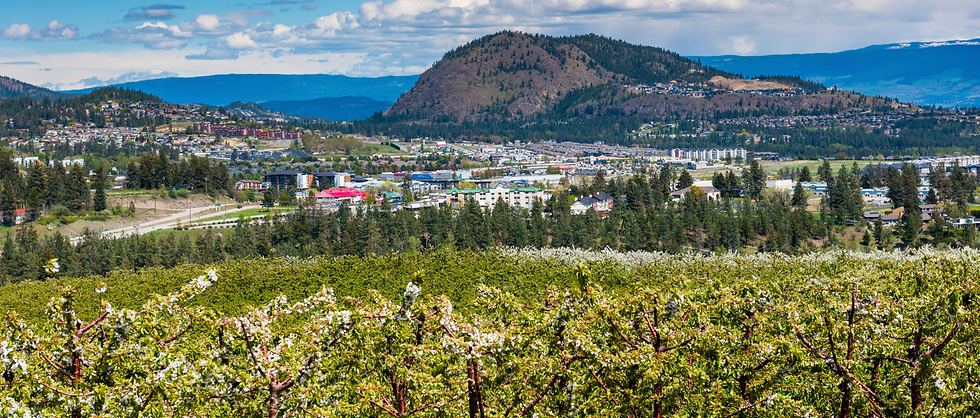
West Kelowna's natural beauty is one of our greatest assets. It attracts visitors, supports local businesses, strengthens property values, and helps define the character of our community.
Temporary traffic disruptions during underground construction may last months. The visual and economic impacts of overhead transmission infrastructure could last for generations.
Residents deserve to know whether BC Hydro has fully considered the long-term effects on tourism, business investment, future development opportunities, property values, and the overall attractiveness of our community.
They also deserve to see a full life-cycle cost comparison—not simply a comparison of installation costs.
What are the long-term maintenance costs?
What are the costs of ongoing vegetation management?
What are the environmental impacts over decades of operation?
What are the economic consequences of placing industrial-scale infrastructure in a highly visible area of West Kelowna?
To date, BC Hydro has not presented a comprehensive Economic Impact Assessment that answers these questions.
This project is about more than electricity. It is about the future prosperity of West Kelowna.
A second power source should strengthen our community, not diminish the qualities that make people want to live, work, invest, and visit here.

Residents are not saying "don't build it."
Residents are saying: build it right.
Before a final decision is made, BC Hydro should provide a full life-cycle cost analysis, an independent Economic Impact Assessment, a tourism impact study, a property value assessment, and a comprehensive environmental comparison of overhead and underground alternatives.
West Kelowna needs reliable power. We support that goal.
But we also have a responsibility to ensure that the infrastructure we build today does not unnecessarily compromise the long-term prosperity, beauty, and economic future of our community.


Comments